
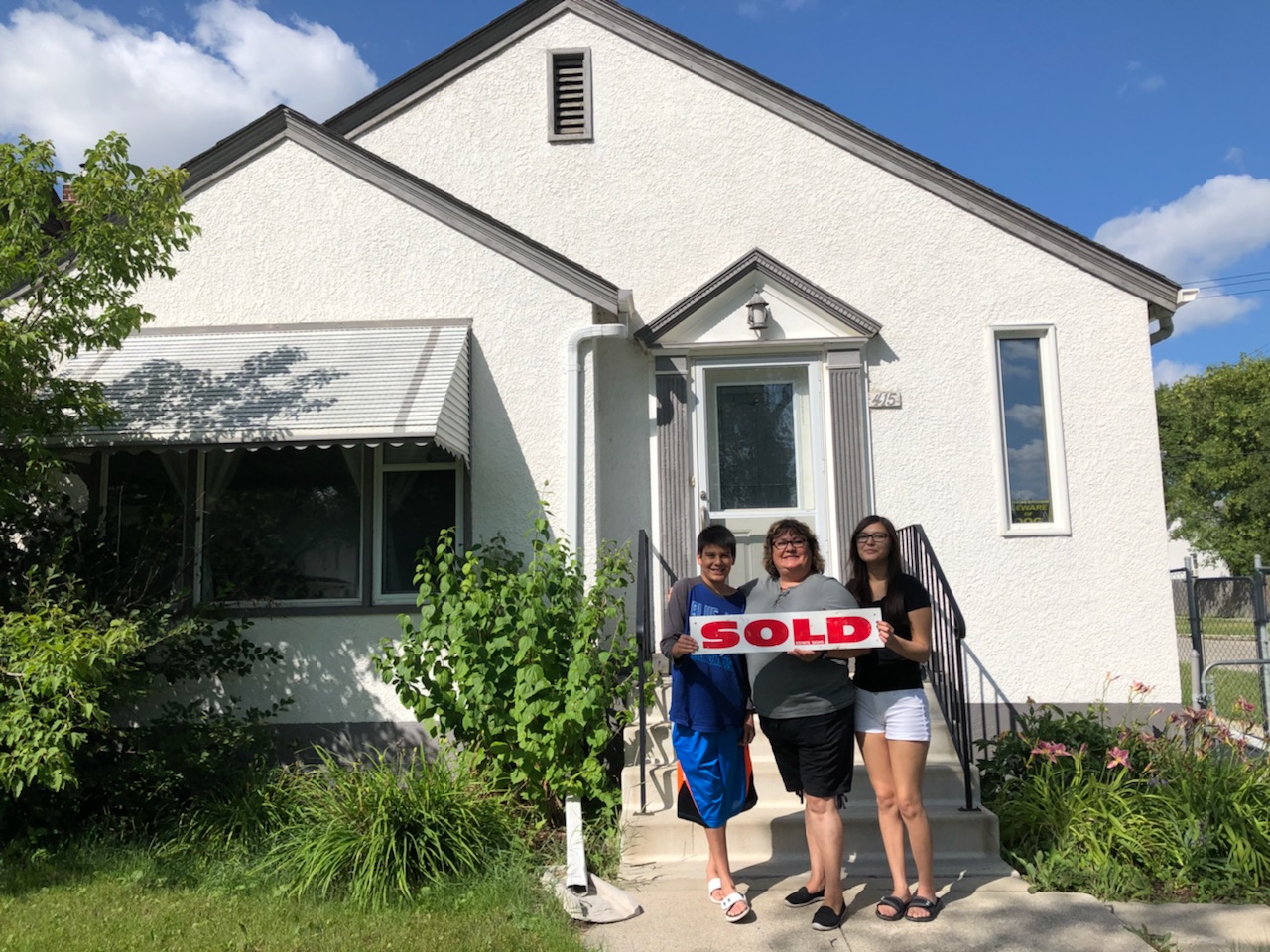
A recent $1.1 million investment from the Manitoba government in partnership with Manitoba Tipi Mitawa’s new Mino’Ayaawag Ikwewag Housing Program is helping expand access to safe, stable homeownership for First Nations women and their families.
Manitoba REALTORS® have helped lead this work for nearly two decades. This new funding strengthens their ability to guide more families towards homeownership. It establishes Mino’Ayaawag Ikwewag as a dedicated stream within the Manitoba Tipi Mitawa (MTM) program enabling more First Nations women to progress from being renters to owners.
The program is delivered collaboratively by the Manitoba Real Estate Association and the Assembly of Manitoba Chiefs. Through this unique partnership, REALTORS® have been directly involved in removing barriers to homeownership since the program’s inception. Bringing together Indigenous leadership and Manitoba’s real estate community, MTM was created to respond to gaps in housing access for First Nations families living off-reserve.
More than 700 families are currently on the waitlist. The Manitoba government’s investment will help MTM support an additional 18 to 20 families over the next year. Trained REALTORS® will assist participants closely throughout the homebuying process.
Lorne Weiss, Co-Chair of Manitoba Tipi Mitawa and REALTOR® with Century 21 Bachman & Associates, offers his perspective. “One of the biggest challenges for First Nations women and mothers has always been safety, especially when they leave the reserve and come into the city. They move from house to house on annual leases, without control over their surroundings. Homeownership gives them stability and the ability to shape their future.”
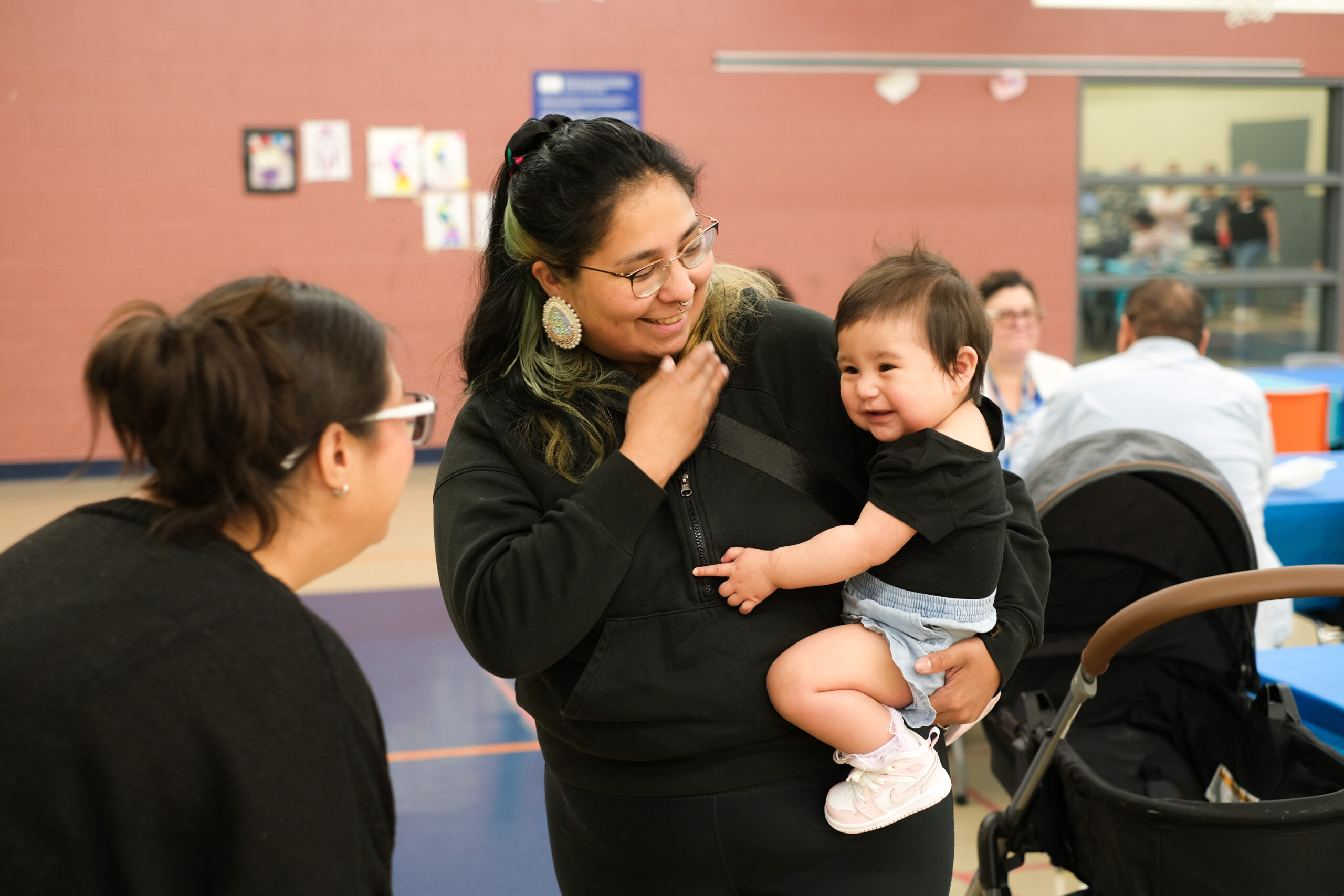
At the heart of this expansion is the Mino’Ayaawag Ikwewag Housing Program, meaning “All women doing well” in Anishinaabemowin. This new program stream is designed specifically to support First Nations women purchasing their first home. It combines financial literacy training, culturally appropriate support services, and access to trained REALTORS®. Participants also receive a substantial down payment to help them enter the housing market with greater stability. After completing the training and becoming mortgage-ready, participants work directly with REALTORS® who understand both the historical and present-day barriers many First Nations families face when transitioning to urban homeownership.
Jason Whitford, Co-Chair of the Manitoba Tipi Mitawa Board of directors, adds: “As a long-standing Board Member of the Manitoba Tipi Mitawa Board of Directors, I am incredibly pleased with the support from Minister Fontaine’s Office and the Mino’Ayaawag Ikwewag Housing Program. The overall strategy is visionary and provides a framework for impact-focused investment in the lives of Indigenous women and their families across priority areas such as education, business, community safety, healing, and housing. Housing is not only a fundamental human right, it is also foundational for wellbeing—mental, physical, spiritual, and emotional. Indigenous homeownership is a critical aspect of the housing spectrum where increased representation must occur as an equity- and economic-focused commitment to reconciliation.”
Homeownership is a central focus of the program. Systemic and generational barriers have long limited access for Indigenous women, including reduced access to credit, housing instability, and safety concerns when relocating to urban areas.
Lorne Weiss provides historical context: “Traditionally, women held a huge amount of power within their communities, and over the last 150 years, that balance was taken away. This program is an opportunity to empower women again.”
By offering down payments of 15 to 20%, the program helps participants build equity immediately while providing financial resilience if challenges arise. The down payment is forgiven after five years of successful homeownership, thereby significantly increasing each family’s net worth.
“One mother told us this was the first Christmas they could ever have a tree, because when they were renting, they weren’t allowed one,” Weiss recalled. “The little things we take for granted are so major for families who’ve never had them. That’s when you really see the impact.”
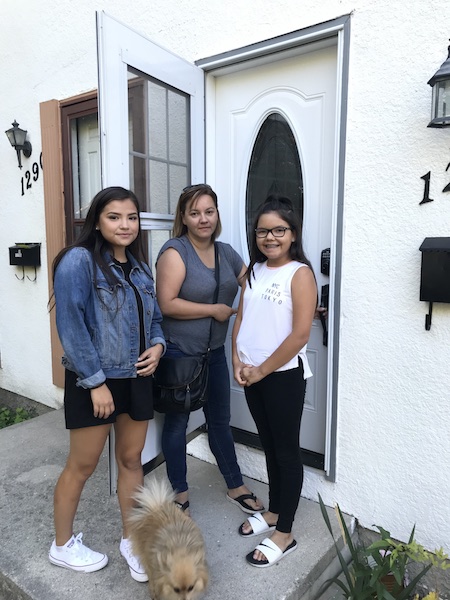
Throughout every stage of the journey, REALTORS® play a hands-on role. They not only help families find homes, but also help ensure those homes are sustainable long-term investments.
“When families purchase a home through Tipi Matawa, they work with trained REALTORS® who understand the historical and current challenges people face coming off the reserve,” Weiss pointed out. “Our role isn’t to be paternalistic, it’s to make sure families are informed, supported, and protected throughout the process.”
REALTORS® review offers, help buyers understand inspections and long-term maintenance costs. They work shoulder-to-shoulder with the program’s board, which includes experienced REALTORS®. This reassures families that they are purchasing homes that are safe and financially manageable. Their guidance also protects first-time buyers from unexpected risks and supports lasting homeownership success.
Looking ahead, the Manitoba Real Estate Association and Assembly of Manitoba Chiefs hope to expand the program beyond Winnipeg to urban areas across the province. With growing awareness, strong partnerships, continued investment, and the ongoing involvement of Manitoba REALTORS®, MTM is helping First Nations women reclaim stability, confidence, and opportunity for themselves and their families.